Guides · Palm Coast, Florida
Living in Palm Coast: What to Know Before You Move
Palm Coast was named, engineered, and sold before a single resident arrived. Its canal-cut, planned layout still governs daily life there.
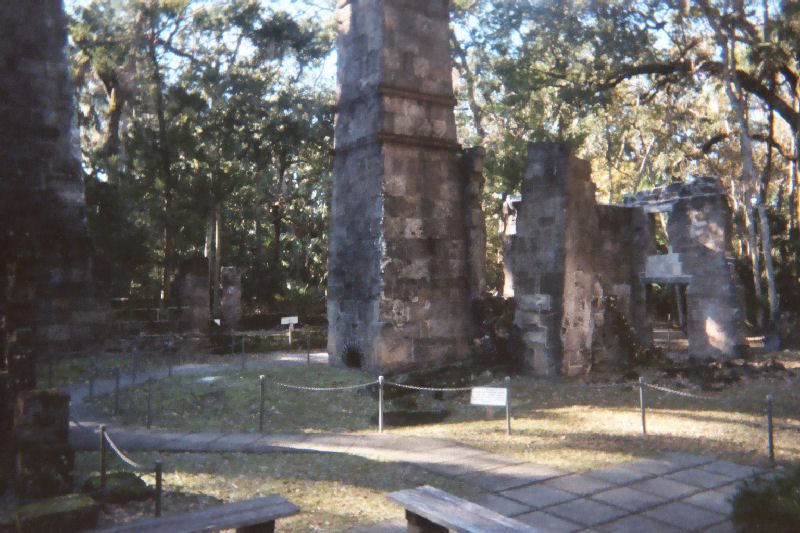
Palm Coast's Origin as a Planned Community
How ITT named and built Palm Coast in 1969, opened the welcome centre in 1970, and why incorporation only came in 1999.
Palm Coast did not emerge from a crossroads or a fishing camp. ITT Community Development Corporation created it in 1969 and opened its welcome centre on 29 October 1970 — a date the city still observes as Founder’s Day. The name itself was a developer’s choice, a product label for a planned community rather than an inherited place name. The scale was unusual even for Florida: among the largest planned communities ever laid out in the state, and among the last to incorporate. Palm Coast remained an unincorporated development for thirty years after that first welcome centre opened, finally becoming a city on 31 December 1999.
How Palm Coast's Canal System Shapes the City
The 46 miles of freshwater and 23 miles of saltwater canals, their purpose in managing the water table, and how they determine lot lines and neighbourhoods.
Before the lots were sold, the land had to be made buildable. ITT cut 46 miles of freshwater canals and 23 miles of saltwater canals to manage the water table and drain the terrain. The result is a street grid that bends around water: lot lines follow canal banks, and neighbourhoods are defined as much by their water frontage as by their roads. The freshwater system handles stormwater and irrigation; the saltwater canals connect to tidal flows and offer direct boating access. For residents, the canals are not scenery — they are infrastructure that determines which property has a dock and which has a drainage ditch.
Intracoastal Waterway and the Hammock: Palm Coast's Eastern Edge
How the Intracoastal Waterway forms the eastern boundary, separates the mainland from the Hammock barrier island, and shapes recreation and property values.
The city’s eastern edge is the Intracoastal Waterway, which separates the mainland from the Hammock, a barrier island that buffers the open ocean. That boundary does more than define a shoreline — it sets the tone for property values and recreation. Homes with Intracoastal or canal frontage command a premium, and the saltwater canal network feeds directly into the waterway, making the Hammock and its inlets the practical limit of boating territory. The mainland side is where the canals do most of their work; the island side is where the water is wider and the current is tidal.
Palm Coast Demographics: Age, Income, and Housing
Census snapshot: population 94,362, median age 50.8, median income $71,840, education levels, and housing occupancy including seasonal and vacant units.
The demographic profile reflects a community that was built for retirees and has since broadened. The median age is 50.8 years, comfortably above the national figure. Median household income sits at $71,840, and 28.8 percent of residents hold a bachelor’s degree or higher. The unemployment rate is 3.8 percent. The housing stock is substantial — 42,472 units — but not all of it is occupied year-round. Of those units, 2,766 are held for seasonal or recreational use, and 4,215 are vacant. That mix of permanent, seasonal, and vacant housing shapes everything from traffic patterns to civic participation.
Seasonal Living and Annual Events in Palm Coast
The Creekside Music & Arts Festival at Princess Place Preserve, now in its twentieth year, and how seasonal residents affect the town's calendar.
Palm Coast’s calendar has two gears. The seasonal residents — those 2,766 units held for recreational use — swell the population in cooler months and thin it out in summer. Local events are scheduled accordingly. The Creekside Music & Arts Festival runs a weekend of country music, art, and food at Princess Place Preserve, with gates at 10am both days. The 2026 edition marks its twentieth year, making it one of the more established fixtures in a town that has only been a city since 1999.
Day Trips from Palm Coast: Nearby Towns and Attractions
Short drives to Flagler Beach, Sanford, Mount Dora, Oviedo, and Altamonte Springs for festivals and a change of pace.
Palm Coast is not a destination in itself for most visitors; it is a base. Flagler Beach is nine miles away and hosts First Friday. Sanford, 52 miles south, has Sanford Porchfest. Mount Dora, 57 miles away, runs both the Mount Dora Arts Festival and the Mount Dora Craft Fair. Oviedo, 60 miles out, holds Great Day in the Country, and Altamonte Springs, 61 miles away, puts on Red Hot & Boom. None of these are substitutes for Palm Coast’s own canal-and-waterway character, but they offer the kind of weekend festival rotation that a planned community does not generate on its own.
Palm Coast at a Glance
| Measure | Value |
|---|---|
| Population | 94,362 |
| Median age | 50.8 years |
| Median household income | $71,840 |
| Bachelor's degree or higher | 28.8% |
| Unemployment rate | 3.8% |
| Total housing units | 42,472 |
| Seasonal or recreational units | 2,766 |
| Vacant housing units | 4,215 |
| Median home value | $317,200 |
| Median gross rent | $1,747 |
The town was engineered before it was inhabited, and the numbers still show it: a mature, canal-lined community with a housing market that carries the weight of its water infrastructure. Palm Coast is what happens when a developer’s product matures into a city — on schedule, on plan, and on water.
Common questions
- When was Palm Coast founded?
- Palm Coast was created by ITT Community Development Corporation in 1969, and its welcome centre opened on 29 October 1970, which the city still celebrates as Founder's Day. The city did not incorporate until 31 December 1999, making it one of the last planned communities to become a city.
- How many canals are in Palm Coast?
- The developer ITT cut 46 miles of freshwater canals and 23 miles of saltwater canals to manage the water table and sell lots. That's 69 miles total, dug before anyone lived here. The saltwater canals connect to the Intracoastal Waterway, which forms the city's eastern edge.
- What is the population of Palm Coast?
- The population is 94,362 people, with a median age of 50.8 years. Housing units total 42,472, of which 4,215 are vacant and 2,766 are held for seasonal or recreational use. Median home value is $317,200 and median gross rent is $1,747.
- Is Palm Coast a good place for jobs?
- The unemployment rate is 3.8 percent, and median household income is $71,840. About 28.8 percent of residents hold a bachelor's degree or higher. Nearby towns like Flagler Beach (9 miles) and Sanford (52 miles) offer additional employment and day-trip options.
- What events happen in Palm Coast?
- The Creekside Music & Arts Festival is a weekend of country music, art and food at Princess Place Preserve, with gates at 10am both days. The 2026 edition marked its twentieth year. Nearby, Flagler Beach has First Friday, and Sanford hosts Porchfest.
- Why is Palm Coast named that?
- The name was the developer's product name for a planned community, not an inherited place name. ITT chose it to market the lots. It's one of the largest planned communities ever laid out in Florida, and it took thirty years from welcome centre to incorporation.
Every business named above is one we hold a listing for, and every date traces to a source on our sources page. We do not describe menus, interiors or service we have not verified. Details change — confirm before you travel.