Guides · Palm Coast, Florida
Wintering in Palm Coast: A Planned Town's Quiet Season
Palm Coast was never a town that grew into a plan; it was a plan that waited thirty years to become a town. Its winter appeal is the engineered quiet of that delay.
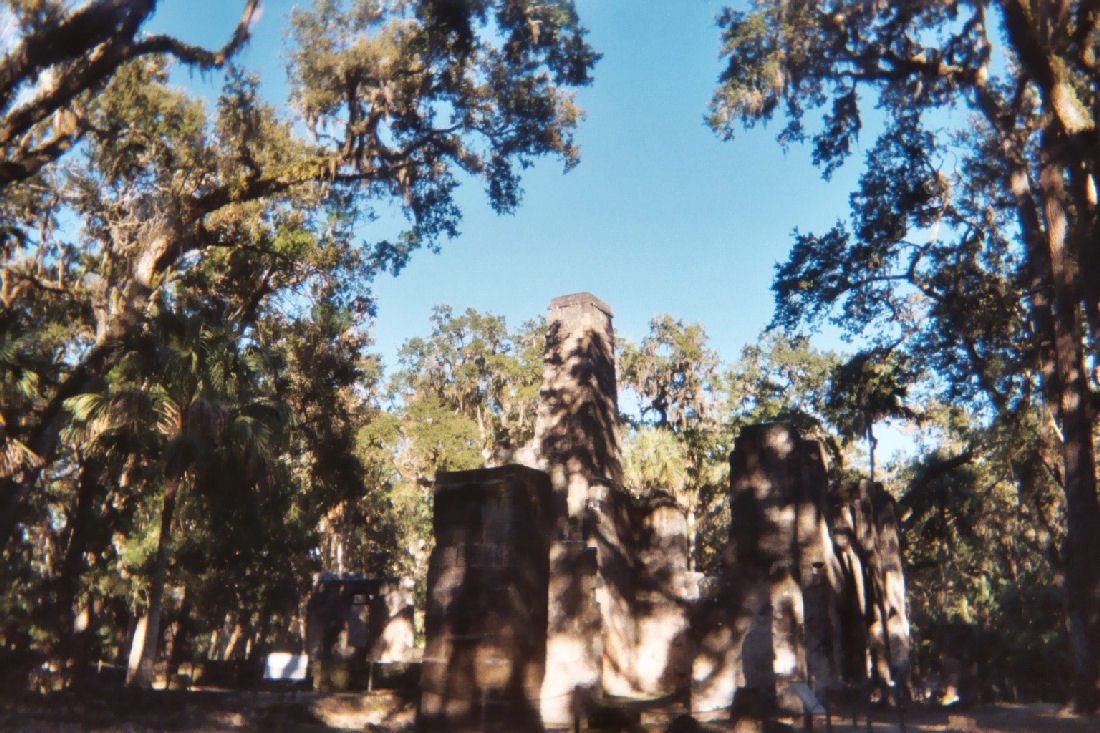
How Palm Coast's Canals Came Before Its People
The water came first. In 1969, ITT Community Development Corporation created Palm Coast as a product, not a place, and began digging before a single resident signed a deed. The developer cut 46 miles of freshwater canals and 23 miles of saltwater canals to manage the water table and make the lots saleable. That is 69 miles of engineered waterways, laid out in a grid that still defines the town's shape. The name was the developer's own—a brand for a planned community, not an inherited place name. The welcome centre opened on 29 October 1970, a date the city still keeps as Founder's Day. But the land was already being reshaped. The canals were the infrastructure; the houses came after.
Why Palm Coast Took 30 Years to Become a City
Palm Coast did not incorporate until 31 December 1999. Thirty years from welcome centre to city status—one of the longest waits of any large planned community in Florida. The delay was structural: ITT owned the land, ran the services, and had no interest in handing governance to residents who had not yet arrived in numbers. For three decades, Palm Coast was a developer's fiefdom, not a municipality. When incorporation finally came, it was less a birth than a handover. The character that resulted is a town built to a spec, with little of the layered history that older Florida towns accumulate by accident. What it has instead is order.
Winter on Palm Coast's Canals and the Intracoastal
The saltwater canal network is the town's defining feature. The 23 miles of saltwater canals are navigable, and they connect to the Intracoastal Waterway, which forms the city's eastern edge and separates the mainland from the Hammock barrier island. Winter residents use these canals for boating and fishing. But access is not uniform—some cuts are deep enough for larger craft, others silt in and are best for kayaks. The freshwater canals, 46 miles of them, are largely residential waterways, lined with docks and back yards. The Intracoastal itself is the real artery. The canals are its capillaries.
Who Spends Winter in Palm Coast: Demographics
The census tells the story. Palm Coast's population is 94,362, with a median age of 50.8 years. That is not a young town, and winter skews it older still. Of 42,472 housing units, 2,766 are held for seasonal or recreational use—roughly 6.5 percent of the stock sits empty for much of the year, filling up as temperatures drop up north. The median household income is $71,840, and the median home value is $317,200, which puts it below the state's pricier coastal towns. Median gross rent is $1,747. The unemployment rate is 3.8 percent, and 28.8 percent of residents hold a bachelor's degree or higher. The picture: a retired or semi-retired population, comfortable but not wealthy, drawn by the water and the quiet.
Winter Events in Palm Coast and Nearby
The flagship winter event is the Creekside Music & Arts Festival at Princess Place Preserve, a weekend of country music, art, and food with gates at 10am both days. The 2026 edition marked its twentieth year, making it a reliable anchor for the season. Beyond Palm Coast, the nearby towns offer more. Flagler Beach, nine miles south, holds its First Friday street party. Sanford, 52 miles away, has Sanford Porchfest. Mount Dora, 57 miles out, runs the Mount Dora Arts Festival and the Mount Dora Craft Fair. Oviedo, 60 miles away, hosts Great Day in the Country, and Altamonte Springs, 61 miles off, puts on Red Hot & Boom. None of these are within walking distance. All are day-trip material.
What a Planned Community Means for Winter Visitors
The planned community's design translates into a specific kind of winter visit. The housing stock is uniform, the streets are laid out on a grid, and the canals impose a rhythm that older towns lack. There are 4,215 vacant housing units, which means the town thins out noticeably in the off-season—and fills back up with the same crowd each winter. The appeal is not charm; it is predictability. You know the water is there, you know the canals are maintained, and you know the pace is slow. That is the product.
Palm Coast by the Numbers
| Measure | Value |
|---|---|
| Population | 94,362 |
| Median age | 50.8 years |
| Total housing units | 42,472 |
| Seasonal or recreational homes | 2,766 |
| Vacant housing units | 4,215 |
| Median home value | $317,200 |
| Median gross rent | $1,747 |
| Median household income | $71,840 |
| Bachelor's degree or higher | 28.8% |
| Unemployment rate | 3.8% |
What makes Palm Coast different from other Florida winter towns is that none of it is accidental. The canals were dug before the people arrived. Cityhood was delayed until the developer was done. The winter population is a demographic fact, not a vibe. It is a town that was engineered, and it winters like it.
Common questions
- When was Palm Coast founded?
- Palm Coast was created by ITT Community Development Corporation in 1969, with its welcome centre opening on 29 October 1970. The city did not incorporate until 31 December 1999, making it one of the last planned communities in Florida to become a city.
- How many canals are in Palm Coast?
- The developer cut 46 miles of freshwater canals and 23 miles of saltwater canals to manage the water table and sell lots. The saltwater network connects to the Intracoastal Waterway, which forms the city's eastern edge.
- What is the population of Palm Coast?
- The population is 94,362 people, with a median age of 50.8 years. There are 42,472 total housing units, of which 4,215 are vacant and 2,766 are held for seasonal or recreational use.
- What is the median home value and rent in Palm Coast?
- The median home value is $317,200, and the median gross rent is $1,747 per month. The median household income is $71,840, and the unemployment rate is 3.8 percent.
- What is the Creekside Music & Arts Festival?
- It's a weekend of country music, art and food at Princess Place Preserve, with gates opening at 10am both days. The 2026 edition marked its twentieth year, making it a long-running local event.
- What nearby towns can I visit from Palm Coast?
- Flagler Beach is 9 miles away and hosts First Friday. Sanford (52 miles) has Sanford Porchfest, Mount Dora (57 miles) has arts and craft fairs, Oviedo (60 miles) has Great Day in the Country, and Altamonte Springs (61 miles) has Red Hot & Boom.
Every business named above is one we hold a listing for, and every date traces to a source on our sources page. We do not describe menus, interiors or service we have not verified. Details change — confirm before you travel.